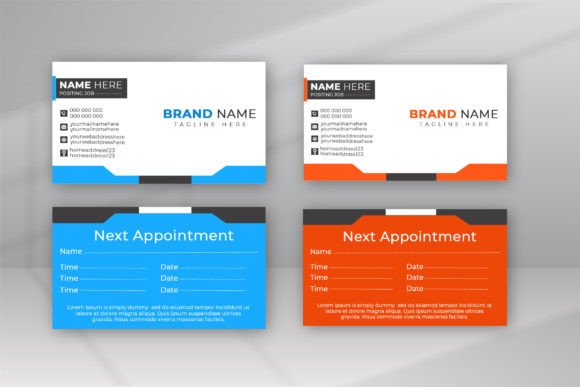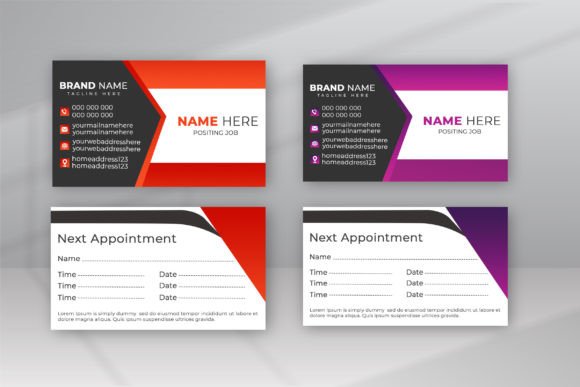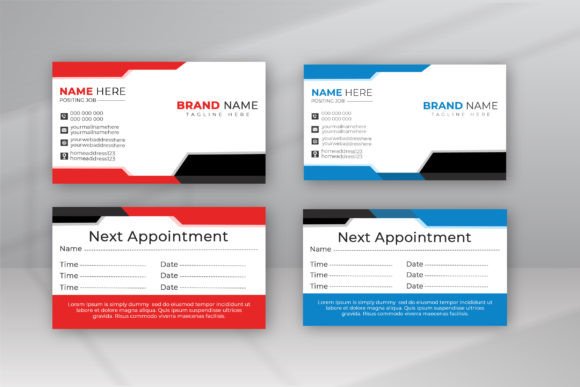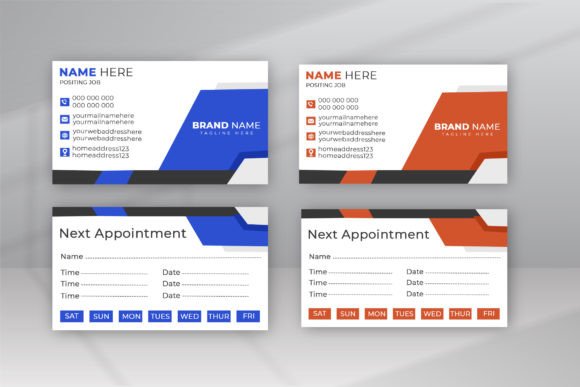
Creative Appointment Cards Design: Elevating Professional Connections in a Digital Age
In an era where first impressions are often formed within seconds, the humble appointment card has evolved from a simple piece of paper into a strategic touchpoint for business growth. Creative Appointment Cards Design is no longer just about listing a name and a phone number; it represents a tangible extension of your brand's identity, offering a physical or digital artifact that clients remember long after a meeting concludes. Whether you are a freelance graphic designer, a wellness practitioner, a corporate consultant, or a small business owner, the way you present your scheduling information can significantly influence client retention and professional perception.
The shift towards modern workflows and changing consumer habits has placed a premium on visual communication. People today are inundated with digital notifications, yet they still crave tactile experiences that feel personal and authentic. A well-designed appointment card bridges this gap, combining the reliability of traditional networking with the aesthetic appeal of contemporary design trends. It serves as a reminder of your services while simultaneously reinforcing the quality and creativity of your work.
Why Customization Matters in Modern Business Practices
One size does not fit all, especially when it comes to branding. Generic templates often fail to capture the unique essence of a specific business, leading to a diluted brand message. This is where the value of a Professional Appointment Card Design Template becomes apparent. These resources are built to be flexible, allowing users to adapt the layout, color palette, typography, and messaging to align perfectly with their specific industry standards and company vision.
For entrepreneurs and marketers, customization is key to standing out in a crowded marketplace. A creative professional might need a bold, minimalist look that screams innovation, while a healthcare provider may prefer a calming, trustworthy aesthetic with soft colors and clear readability. The ability to easily edit and customize these designs ensures that every detail reflects the business specifications without requiring extensive graphic design skills. This accessibility empowers creators and freelancers to maintain a high level of professionalism even when working with limited resources.
The Power of Editable and Customizable Features
The core advantage of utilizing a high-quality design template lies in its easy editable and customizable nature. In the past, creating a custom card required hiring a designer or learning complex software. Today, with the right tools, anyone can modify a design to fit their needs. You can swap out fonts to match your brand guidelines, adjust spacing to accommodate more contact details, or change the background to reflect seasonal promotions or new service offerings.
- Brand Consistency: Ensure your appointment cards match your website, social media profiles, and other marketing materials.
- Targeted Messaging: Highlight specific services or special offers relevant to your current client base.
- Scalability: As your business grows, update the design to include new team members or additional locations effortlessly.
This flexibility means that your appointment cards remain relevant over time. Instead of printing thousands of static cards that become outdated when you change your logo or phone number, you have a dynamic resource that evolves with your business. This adaptability is crucial for maintaining a professional image in a fast-paced environment where business details can change frequently.
Technical Excellence: Organized Layers and PSD Files
When selecting a design resource, the technical structure behind the scenes is just as important as the visual outcome. A PSD file (Photoshop Document) is the industry standard for high-resolution graphics, but not all PSD files are created equal. A poorly organized file can make editing a nightmare, forcing users to hunt through tangled layers or struggle with locked elements.
A superior template features organized file included layers. This means that every element—from text boxes and background images to decorative icons and borders—is separated into distinct, labeled groups. For example, if you want to change the address, you only need to select the "Address" layer group rather than digging through hundreds of pixels. This organization saves hours of frustration and allows for precise control over the final output.
Furthermore, having a layered file ensures that the design remains scalable and print-ready. You can export the final version at various resolutions depending on whether you are sending a digital version via email or sending it to a professional printer. This technical consideration is vital for educators, bloggers, and hobbyists who may not have access to advanced design studios but still demand top-tier results.
Bridging the Gap Between Vision and Reality
The inclusion of a fully organized PSD file democratizes design. It removes the barrier between a concept and a finished product. Users can experiment with different layouts without fear of ruining the original design, thanks to non-destructive editing capabilities. This encourages creativity and allows professionals to iterate quickly until they achieve the perfect balance of form and function.
It is also worth noting that the ease of use extends beyond just Photoshop. While the source file is in PSD format, the logical structure often translates well to other design applications, making it a versatile asset for various workflows. Whether you are a marketer preparing for a conference or a freelancer managing client meetings, having a tool that simplifies the process allows you to focus on what truly matters: building relationships and delivering value.
Understanding the Role of Images in Design Templates
One critical aspect of purchasing or downloading a design template is understanding the scope of the deliverables. It is common for preview images to showcase stunning photography, illustrations, or stock imagery to demonstrate the potential of the design. However, it is essential to read the fine print: Image is Not Included in the download files, and all images are used for preview purposes only.
This distinction is fundamental to copyright law and intellectual property rights. When you acquire a template, you are buying the structural design, the layout, the typography settings, and the vector elements—not the stock photos displayed in the advertisement. This separation ensures that designers retain ownership of their visual assets while providing clients with the framework to create their own unique content.
For the user, this means you will need to source your own images or utilize royalty-free stock libraries to populate the template. This actually offers a significant benefit: it forces you to curate visuals that are specifically relevant to your business. Instead of using a generic image of a handshake or a city skyline, you can choose photos that depict your actual workspace, your products, or your team. This authenticity resonates more deeply with clients and strengthens the connection between the card and your brand story.
Practical Implications for Professionals and Creators
The implications of using a Creative Appointment Cards Design template extend beyond aesthetics. In a practical sense, it streamlines operations and enhances efficiency. Consider the scenario of a busy clinic or a growing agency. They need a system that is reliable, quick to update, and visually appealing. A template that fits these criteria reduces the administrative burden of creating marketing materials from scratch.
Moreover, the trend towards sustainability and digital-first approaches does not negate the need for physical cards. Many professionals still find value in leaving a physical token behind during face-to-face interactions. However, the approach has changed. The card must be designed to serve multiple purposes—perhaps containing a QR code that links to a booking page, a portfolio, or a digital calendar. The customizable nature of modern templates makes integrating these digital elements seamless.
For hobbyists and small business owners, the cost-effectiveness of using a template cannot be overstated. Hiring a designer for a single project can be prohibitive. By investing in a reusable template, these individuals gain access to professional-grade design tools at a fraction of the cost. This levels the playing field, allowing smaller entities to compete with larger corporations by presenting a polished and consistent brand image.
Moving Forward with Intentional Design
As we look to the future of professional networking, the role of design will only become more integrated into daily business operations. Clients expect a certain level of polish and attention to detail, regardless of the medium. An appointment card is often the last thing a client sees before leaving a meeting, making it a powerful closing statement. If the card is cluttered, outdated, or generic, it undermines the trust built during the interaction. Conversely, a thoughtful, well-crafted design reinforces the value of the service provided.
The evolution of Professional Appointment Card Design reflects a broader shift towards personalized, user-centric experiences. Businesses that take the time to tailor their communication materials are demonstrating respect for their audience's time and preferences. By choosing a template that is easy to edit and customizable, you are making a commitment to continuous improvement and brand consistency.
Ultimately, the goal is to create a lasting impression that drives action. Whether that action is booking another appointment, visiting a website, or recommending your services to a friend, the design plays a pivotal role. With the right combination of creative vision, technical organization, and practical application, a simple appointment card can transform into a potent marketing tool that supports your business goals for years to come.