Elevating Professional Identity with an Elegant Minimal Business Card Design
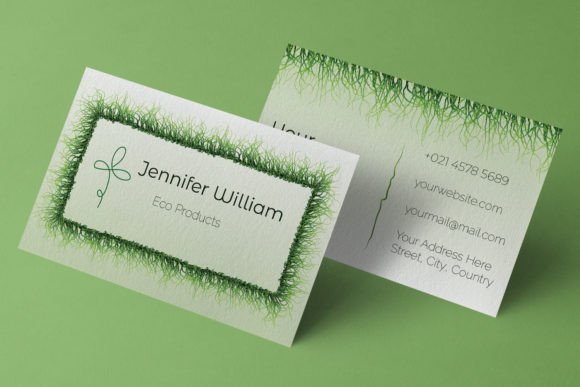
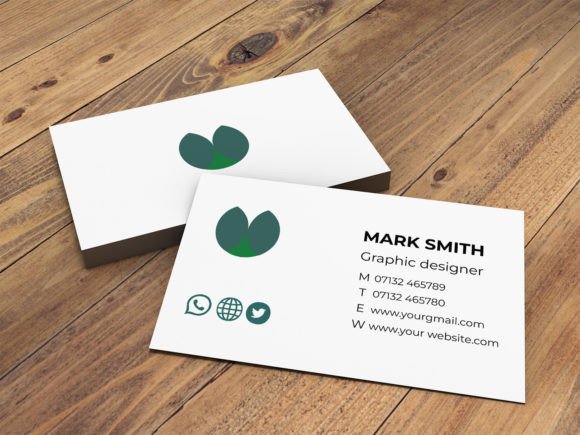
In the rapidly evolving landscape of professional networking, the traditional business card has undergone a significant transformation. It is no longer merely a vessel for contact information but a tangible extension of personal branding and corporate identity. Among the myriad of styles available, the Elegant Minimal Business Card Design stands out as a timeless choice that balances sophistication with functionality. This approach strips away unnecessary clutter to focus on the essential elements: typography, whitespace, and high-quality imagery. By adopting this aesthetic, professionals can convey confidence, clarity, and a modern sensibility that resonates with diverse audiences ranging from creative directors to corporate executives.
The power of minimalism lies in its ability to communicate without shouting. When executed correctly, a minimalist design allows the recipient to process information instantly while leaving a lasting impression of refinement. This article explores the technical and creative aspects of creating such designs, specifically focusing on the utility of advanced mockup files that offer separated name-layers and smart objects. These digital tools are not just for visualizing a final product; they are integral to the workflow of designers who demand precision, flexibility, and high-resolution output for various applications.
The Core Philosophy of Minimalist Aesthetics
An Elegant Minimal Business Card Design relies heavily on the principle that less is often more. In a world saturated with visual noise, simplicity becomes a rare commodity. The core philosophy involves a deliberate reduction of elements to their most fundamental forms. This does not mean the design lacks depth; rather, it achieves depth through careful attention to detail. Key characteristics include:
- Strategic Use of Whitespace: Negative space is an active element in minimalist design. It guides the viewer's eye, creates breathing room around text, and enhances readability. Properly utilized, whitespace can make a card feel luxurious and uncluttered.
- Typography as the Hero: Without heavy graphics or illustrations, the font choice becomes the primary vehicle for expression. Serif fonts often convey tradition and elegance, while clean sans-serif fonts suggest modernity and efficiency. The hierarchy of text must be impeccable to ensure the name and title stand out immediately.
- Subtle Color Palettes: While black and white are staples, elegant minimalism often incorporates muted tones, metallic accents, or monochromatic schemes. The goal is to avoid jarring contrasts unless they serve a specific artistic purpose.
- High-Quality Texture and Finish: Since the visual design is restrained, the physical feel of the card becomes paramount. Matte finishes, spot UV coatings, or embossing can add a tactile dimension that elevates the perceived value of the card.
When designers utilize templates that feature separated name-Layers and Smart Objects, they can manipulate these core elements with surgical precision. This level of control ensures that every pixel serves a purpose, adhering strictly to the minimalist ethos where every addition must justify its existence.
Technical Advantages of Advanced Mockup Files
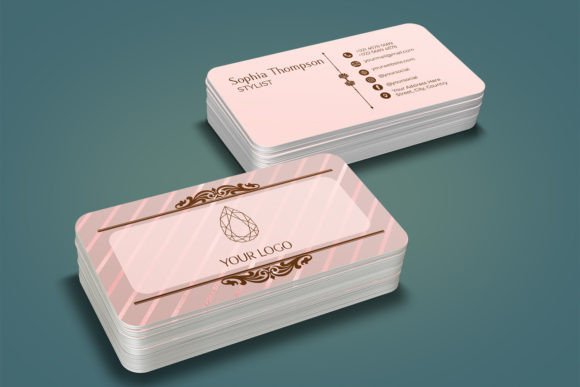
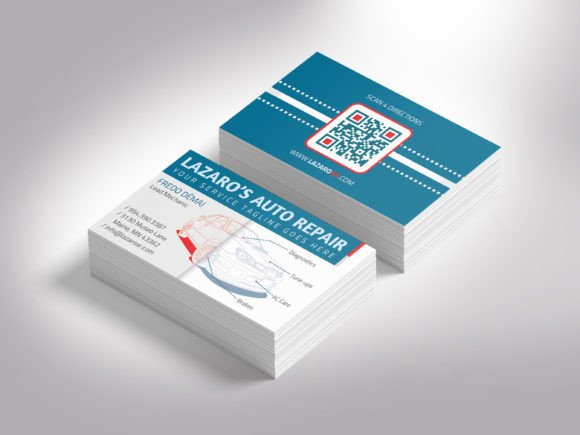
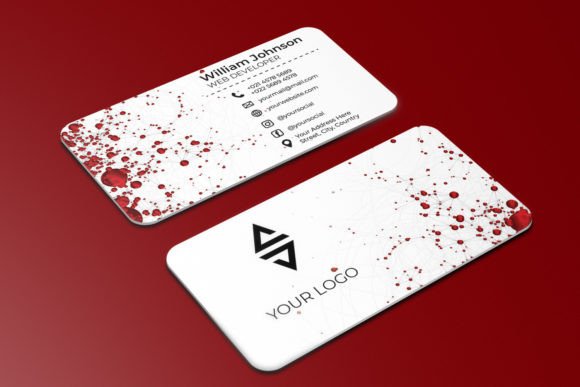
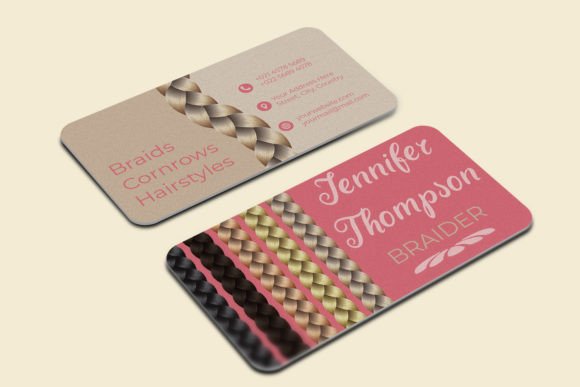
The transition from a flat concept to a realistic presentation is where many projects stall. High-quality mockups bridge this gap, providing a photorealistic representation of how the design will look in the real world. The specific features mentioned in premium resources—such as Adobe Photoshop compatibility, size 4000×3000 Px resolution, and CMYK color mode—are critical for both digital previewing and print production.
Separated Name-Layers and Smart Objects represent the backbone of customization in these files. Unlike standard images where changing the text requires deleting pixels and retyping, smart objects allow users to double-click a layer, edit the content in a new window, and have the changes automatically update across all views of the mockup. This workflow saves hours of manual editing and ensures consistency. For instance, if a designer decides to change the font weight of a name after the initial layout, they can do so instantly without compromising the integrity of the shadows or lighting effects.
The Adjust the lights and shadows feature is another crucial component. Real-world cards do not exist in a vacuum; they interact with light sources, casting subtle shadows and reflecting highlights based on the material and angle. Mockups that allow users to tweak these lighting parameters enable them to simulate different environments, from a dimly lit conference room to bright outdoor sunlight. This capability helps stakeholders visualize the final product under various conditions, reducing the risk of printing errors and ensuring the design holds up in reality.
Furthermore, the Fully Editable File nature of these assets means that nothing is locked down. Whether it is the editable text, the image color, or the background elements, the user retains full authority over the composition. This flexibility is particularly valuable for agencies managing multiple clients or individuals who need to iterate quickly on their branding. The Well Organized Layers structure ensures that even complex compositions remain manageable, preventing the confusion that often arises from disorganized project files.
Diverse Applications Beyond Corporate Networking
While the primary use case for an Elegant Minimal Business Card Design is professional networking, the versatility of the underlying digital assets extends far beyond the office. The high resolution and vector-based formats (AI, EPS, SVG) associated with these mockups make them suitable for a wide array of creative endeavors.
Scrapbooking and Cut Machines: Hobbyists and crafters frequently seek clean, geometric designs for their projects. The crisp lines of a minimalist card design translate perfectly into die-cut shapes. Using software compatible with cutting machines like Cricut or Silhouette, users can extract the vector paths from the AI or SVG files to create intricate paper crafts, scrapbook embellishments, or personalized stationery.
Vinyl Decals and Stickers: The scalability of these files is a major asset for sticker production. Because the source files are high resolution (4000×3000 Px) and support CMYK color modes, the resulting prints maintain sharpness even when scaled up or down. Businesses can produce custom stickers for packaging, laptops, or promotional giveaways using the same base design, ensuring brand consistency across all touchpoints.
Clothes Printing and Iron-on Transfers: Fashion and apparel designers often look for understated logos or text placements that do not overwhelm the garment. An elegant minimal design offers the perfect balance for t-shirts, tote bags, or hoodies. The Easy To Customize nature of the layers allows for quick adjustments to fit different garment sizes and colors. Whether used as a direct-to-garment print or an iron-on transfer, the clean aesthetic ensures the design remains legible and stylish.
Printable Decoration and Cards Invitation Design: Weddings, corporate events, and social gatherings benefit from the refined look of minimalist invitations. The same file structures used for business cards can be adapted for event invites, place cards, and thank-you notes. The ability to adjust lights and shadows allows designers to match the invitation suite to the venue's lighting and decor, creating a cohesive atmosphere.
Engraving: For luxury goods or high-end corporate gifts, engraving on metal, wood, or acrylic is a popular choice. Vector formats like AI and EPS are ideal for laser engraving machines, which require precise line work. The simple lines of a minimal design are less prone to distortion during the engraving process compared to complex gradients or detailed illustrations.
Understanding the Workflow and File Formats
To maximize the utility of these digital assets, it is essential to understand the ecosystem of file formats provided. The comprehensive package typically includes AI, EPS, SVG, PNG, JPEG, and All mockup files, each serving a specific function in the design lifecycle.
Vector Formats (AI, EPS, SVG): These are the gold standard for scalability. Adobe Illustrator (AI) and Encapsulated PostScript (EPS) files preserve the mathematical data of the design, allowing for infinite resizing without loss of quality. Scalable Vector Graphics (SVG) are particularly useful for web integration or cutting machine workflows. Because the files are 100 editable, users can modify individual strokes, curves, and text blocks without rasterizing the image.
Raster Formats (PNG, JPEG): Portable Network Graphics (PNG) and Joint Photographic Experts Group (JPEG) files are best for digital display, email attachments, and social media sharing. The high resolution of these files ensures they look crisp on retina displays and large monitors. They are also ready for immediate upload to online printing services.
Mockup Files: The inclusion of all mockup variations provides a complete visualization suite. Whether the client needs to see the card lying on a desk, held in a hand, or standing upright in a holder, having pre-configured scenes accelerates the presentation process. The fact that All the files you can get are 100 editable means that even the mockup backgrounds can be swapped out to suit different contexts.
The CMYK Color Mode is a non-negotiable feature for any print-ready project. Unlike RGB, which is used for screens, CMYK represents the four ink colors used in commercial printing. Working directly in CMYK within the mockup ensures that the colors seen on screen closely match the final printed result, avoiding the disappointment of dull or shifted hues after production.
Considerations for Implementation
While the benefits of an Elegant Minimal Business Card Design are clear, successful implementation requires thoughtful consideration. Designers must remember that minimalism demands perfection. A slight misalignment in spacing or a suboptimal font choice becomes glaringly obvious when there are no decorative elements to distract the eye. Therefore, rigorous proofreading and alignment checks are mandatory.
Another consideration is the target audience. While minimalism appeals to a broad demographic, it may not suit every industry. Creative fields often embrace boldness, whereas finance and law firms may prefer conservative restraint. However, the Elegant Minimal Business Card Design generally strikes a safe yet sophisticated middle ground that works well for consultants, architects, photographers, and tech startups alike.
For educators and researchers, the clarity of minimal design aids in conveying complex ideas simply. It removes visual barriers, allowing the content to speak for itself. Similarly, for hobbyists engaging in DIY projects, the well-organized layers of these files provide an educational opportunity to learn about design principles, layer management, and file manipulation.
Conclusion
The journey from a conceptual idea to a polished physical product is streamlined by the right tools and a clear understanding of design principles. An Elegant Minimal Business Card Design offers a powerful way to establish credibility and leave a memorable impression. By leveraging high-quality mockups with separated name-Layers and Smart Objects, professionals can experiment freely, refine their vision, and produce results that meet the highest standards of quality.
Whether used for a quick business exchange, a creative scrapbooking project, or a large-scale vinyl decal application, the versatility of these digital clip art files ensures they remain relevant across various mediums. The combination of fully editable components, high resolution, and CMYK color accuracy makes them indispensable assets for anyone looking to elevate their visual communication. As the market continues to evolve, the timeless appeal of minimalism ensures that these designs will remain a cornerstone of effective branding and personal expression.