Simple Appointment Cards Design: A Practical Evaluation for Modern Professionals
In the current landscape of professional networking, the physical business card remains a critical touchpoint. While digital contact sharing via QR codes and LinkedIn has surged, there is an undeniable tactile value in handing someone a well-designed card during a face-to-face interaction. The Simple Appointment Cards Design addresses this need by offering a template that balances minimalism with functionality. It is not merely a collection of colors and shapes; it is a structured tool designed to streamline how professionals present their availability and contact details.
This evaluation focuses on the practical application of the Simple Appointment Cards Design. We will explore its core features, the flexibility it offers to users ranging from freelancers to small business owners, and how its technical structure supports efficient workflow. The goal is to determine if this resource fits into your existing design stack and meets the specific demands of your client or personal brand.
Understanding the Core Purpose
The primary objective of any appointment card is clarity. When a potential client receives a card, they should immediately understand what services you offer and how to secure a time slot. The Simple Appointment Cards Design achieves this through a layout that prioritizes readability over decorative excess. In a market saturated with cluttered designs, simplicity often translates to higher retention rates.
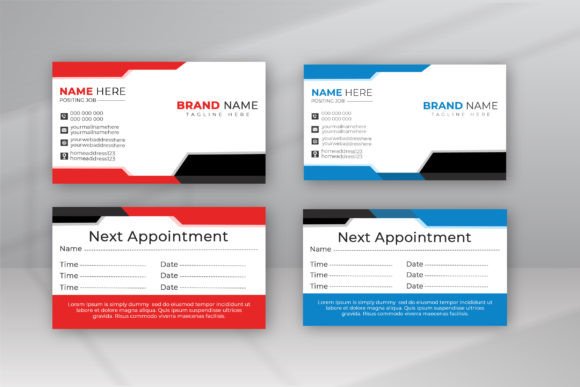
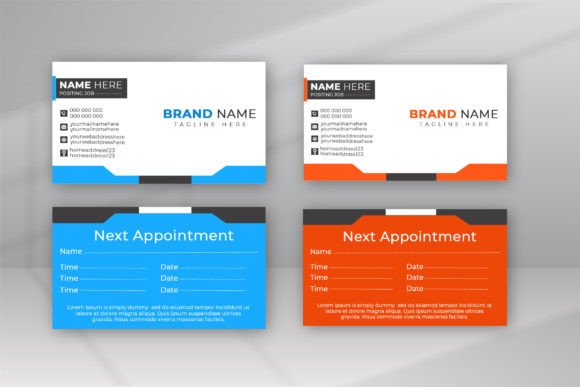
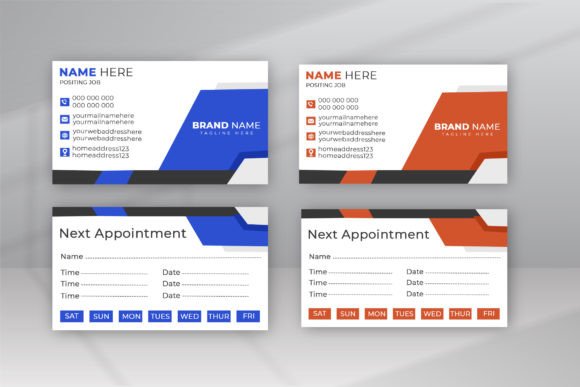
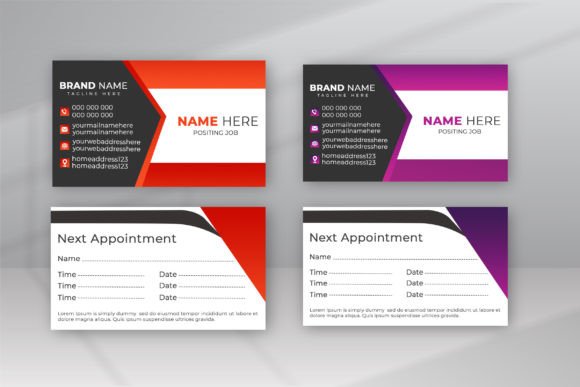
This design template is built around the concept of ease. It strips away unnecessary visual noise to focus on the essential elements: name, title, contact information, and appointment scheduling details. For professionals who spend a significant portion of their day managing schedules, having a clear, unambiguous method of communication is vital. The design respects the user's time, both the designer's and the recipient's, by presenting information in a logical hierarchy.
Key Characteristics and Structural Integrity
What distinguishes this template from generic downloadable assets is its attention to structural organization. The file is delivered as a PSD (Photoshop Document), which is the industry standard for high-quality print preparation. Within this file, layers are meticulously organized. This is not a feature to be overlooked, as it directly impacts the speed and accuracy of the editing process.
- Layer Organization: Every element, from background textures to text blocks and icons, resides on its own layer. This allows for granular control without the risk of accidentally altering unrelated parts of the design.
- Customizable Content: Text fields are editable, enabling users to swap out names, titles, phone numbers, and email addresses effortlessly. This ensures that the final output aligns perfectly with individual business specifications.
- Image Flexibility: The template includes placeholders for logos or profile images. Users can easily replace these stock visuals with their own branding assets to maintain consistency across all marketing materials.
The emphasis on organization means that even those with intermediate design skills can produce professional results. You do not need to be a graphic designer to utilize the Simple Appointment Cards Design; you simply need access to Adobe Photoshop and a clear understanding of your own brand identity.
Usability and Workflow Integration
For entrepreneurs and marketers, time is a finite resource. The efficiency of a design template is measured by how quickly it can be adapted to meet changing business needs. The Simple Appointment Cards Design excels in this area due to its editable nature. If a business changes its phone number, rebrands its logo, or shifts its service offerings, the card can be updated in minutes rather than hours.
The customization capabilities extend beyond simple text replacement. Because the design is built with layers, users can adjust color schemes to match new brand guidelines or alter spacing to accommodate longer descriptions of services. This flexibility is crucial for industries where regulations or service details change frequently, such as healthcare, legal consulting, or financial planning.
However, it is important to note a specific limitation regarding imagery. As stated in the product specifications, all images used in the preview are for demonstration purposes only and are not included in the download files. This is a standard practice in the design industry to avoid copyright issues, but it requires the user to source their own high-resolution images. Successful implementation depends on the user having access to appropriate graphics that fit the minimalist aesthetic of the template.
Professional Observations on Quality and Presentation
When evaluating the Simple Appointment Cards Design, one must consider the end result: the printed card. The quality of the digital file directly influences the quality of the physical product. The template is prepared with print-ready standards in mind, ensuring that when the file is sent to a printer, the resolution and color profiles are correct.
The aesthetic approach is "simple" in the truest sense. It avoids trendy effects that may look dated within a year. Instead, it relies on clean typography and balanced whitespace. This timeless quality adds long-term value to the investment. A card that looks good today will likely still look professional in two years, reducing the frequency with which a business owner needs to reprint inventory.
From a reliability standpoint, the PSD format is robust. It is compatible with most versions of Adobe Photoshop, making it accessible to a wide range of users. The organized layer structure also minimizes the risk of file corruption or formatting errors during the editing process. This reliability is essential for professionals who cannot afford delays caused by technical glitches.
Who Benefits Most?
The versatility of this design makes it suitable for a broad demographic, but it is particularly advantageous for specific groups:
- Freelancers and Solopreneurs: Individuals who manage their own schedules and client relationships benefit greatly from a clear, direct appointment card. It serves as a low-cost marketing tool that reinforces their professional image without requiring a full agency budget.
- Small Business Owners: For those running local businesses, consistency is key. The ability to easily update the card as the business grows ensures that every customer interaction presents a unified brand message.
- Educators and Consultants: Professionals who rely on appointments for income generation need a tool that facilitates booking. A well-organized card reduces friction in the booking process, potentially increasing conversion rates.
- Creative Hobbyists: Serious hobbyists looking to monetize their craft can use this template to create a polished portfolio piece that invites collaboration or sales.
Practical Recommendations for Implementation
To get the most out of the Simple Appointment Cards Design, users should follow a few best practices during the customization phase. First, ensure that all text is legible at a small scale. Business cards are small, and overly complex fonts or tiny text sizes can render the card unreadable.
Second, invest time in sourcing high-quality images. Since the preview images are not included, the final look of the card will depend entirely on the assets you provide. Using low-resolution photos can undermine the professional appearance of the otherwise clean design. Aim for images that match the lighting and tone of your existing brand photography.
Finally, test the design before mass printing. Create a single proof copy to check for alignment issues, color accuracy, and text clarity. This step is a safeguard against costly mistakes and ensures that the Simple Appointment Cards Design performs exactly as intended in the real world.
Conclusion on Value and Fit
The Simple Appointment Cards Design represents a solid choice for professionals seeking a balance between aesthetics and utility. Its strength lies in its organized structure and ease of customization, allowing users to tailor the design to their specific needs without extensive technical knowledge. While it requires the user to supply their own images, the resulting flexibility and professional presentation make it a worthwhile asset.
For those who prioritize efficiency and a clean, modern look, this template offers a reliable solution. It supports the fundamental goals of business networking: making a strong first impression and facilitating easy communication. By providing a stable foundation for your contact information, it allows your expertise and services to take center stage. Whether you are launching a new venture or refreshing an established brand, this design tool provides the necessary framework to present yourself with confidence.