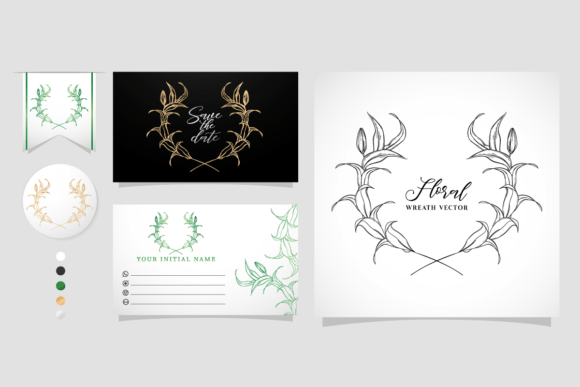
Floral Wreath Vector Background: A Comprehensive Evaluation for Designers
In the realm of graphic design, finding the right foundational elements is often the difference between a competent layout and a professional masterpiece. The Floral Wreath Vector Background represents a specific category of digital assets that combines organic aesthetics with technical precision. This resource is not merely an image; it is a structured collection of editable shapes designed to serve as the backbone for various creative projects. Whether you are designing a wedding invitation or a corporate menu, understanding the capabilities and limitations of this asset type is crucial before integrating it into your workflow.
This evaluation explores the utility of floral wreath vector illustrations, focusing on their application in greeting cards, business materials, and event stationery. By examining the technical specifications, such as high resolution and full editability, alongside practical use cases, designers can determine if this specific file format aligns with their project requirements.
Understanding the Asset: What Is a Floral Wreath Vector Background?
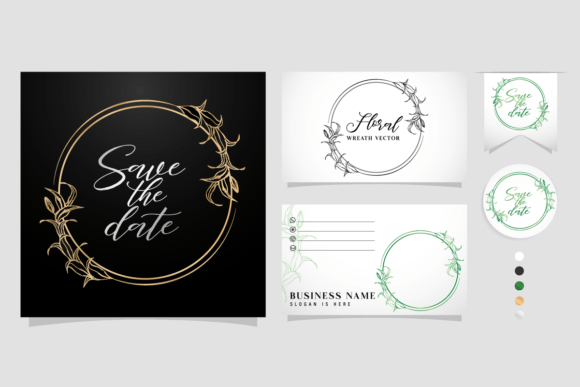
A Floral Wreath Vector Background is a digital illustration constructed using mathematical paths rather than pixels. Unlike raster images (such as JPEGs or standard PNGs), which lose quality when resized, vector graphics maintain infinite scalability. In this specific context, the design features an arrangement of leaves, flowers, and foliage organized in a circular or semi-circular composition. The "background" designation implies that the central area is intentionally left open, providing negative space for text or other graphical elements.
The core value of this asset lies in its structure. It is described as being fully editable, meaning every leaf, petal, and stem is a distinct shape within the software environment. This allows users to manipulate individual components without affecting the integrity of the overall design. The inclusion of a label or isolated background element further enhances versatility, allowing the wreath to function as a standalone frame or a subtle texture depending on the desired outcome.
Key Technical Specifications and Workflow Benefits
When evaluating digital assets for professional use, technical specifications dictate the final output quality. The availability of this design in multiple formats—specifically Adobe Illustrator CC, EPS Version 10, and PNG at 300 dpi—offers significant flexibility across different stages of production.
- Adobe Illustrator CC & EPS Version 10: These formats are essential for the creation phase. They ensure that all shapes remain vector-based, allowing for color adjustments, resizing, and the addition of custom typography. The compatibility with EPS Version 10 is particularly notable, as it ensures broad interoperability with older versions of design software and print workflows that may not support the latest proprietary formats.
- PNG 300 dpi: For immediate previewing or web usage where vectors cannot be rendered, the high-resolution raster version provides a clear visual reference. However, the primary advantage remains in the vector files, which allow for crisp printing at any size.
The absence of watermarks is a critical factor in professional procurement. Watermarked files are typically intended for preview only and are unsuitable for final delivery to clients. Receiving a clean, unwatermarked file ensures that the designer can present a polished product without legal or aesthetic compromises.
Ideal Applications for Floral Wreath Designs
The structural characteristics of a floral wreath make it particularly suitable for specific types of design projects. Its ability to frame content while maintaining a decorative appeal makes it a strong fit for formal and celebratory contexts.
Wedding Invitations and Stationery
One of the most common applications for this asset is in wedding stationery. The natural, organic lines of a floral wreath evoke elegance and tradition. Because the design includes copy space, it serves as an ideal frame for couple names, dates, and venue details. The ability to isolate the floral leaf elements allows designers to adjust the density of the border, ensuring the text remains legible against the intricate background.
Business and Corporate Materials
While often associated with personal events, a well-executed floral wreath vector background is also applicable to business contexts. It can be used to create decorative menus for fine dining establishments, branded packaging for artisanal products, or elegant headers for annual reports. The option to change colors means the design can be adapted to match specific brand palettes, transforming a generic floral motif into a cohesive brand element.
Greeting Cards and Labels
The versatility extends to general greeting cards and product labels. The isolated background feature allows the wreath to act as a stamp or a sticker design. Since the shapes are editable, a designer can modify the flower types or leaf arrangements to suit seasonal themes, such as spring blossoms or autumn foliage, without needing to recreate the artwork from scratch.
Considerations and Potential Tradeoffs
While the benefits are substantial, designers must consider certain tradeoffs before committing to this asset. The primary consideration is the complexity of the file. Highly detailed vector illustrations can sometimes result in large file sizes, which may impact performance if working on less powerful hardware. Additionally, the "fully editable" nature requires proficiency in vector editing software like Adobe Illustrator. Users unfamiliar with manipulating anchor points, grouping objects, or adjusting pathfinder operations may find the learning curve steep compared to simply dragging and dropping a static image.
Another factor is the specificity of the style. A floral wreath has a distinct aesthetic that may not align with modern, minimalist, or industrial design trends. If a project requires a stark, geometric look, the organic curves of a floral design could clash with the intended message. Furthermore, while the file is high resolution, the artistic style itself is fixed. Unless the user possesses advanced vector skills, they cannot alter the fundamental drawing style of the flowers or leaves, only their color and arrangement.
Decision-Making Insights: When to Choose This Asset
To determine if a Floral Wreath Vector Background is the right choice, evaluate your project against the following criteria:
- Do you require print-ready quality? If the final output involves physical printing (invitations, menus, cards), the vector format is superior to raster alternatives. The 300 dpi PNG provided serves as a backup, but the vector source ensures sharp edges regardless of paper size.
- Is customization necessary? If your client needs the design to match a specific color scheme or if the text requires unique spacing, the editable shapes are indispensable. Static images offer no room for adjustment.
- What is the timeline? Editing complex vector files takes time. If the deadline is extremely tight and the design does not require customization, a pre-made template might be faster than modifying a raw vector file.
Conversely, alternatives may be worth considering if the project demands a completely different mood. For instance, if a bold, typographic focus is needed, a plain background or a simple line-art border might provide better contrast. If the budget is non-existent, free stock resources might suffice, though they often lack the organizational structure and high-resolution guarantees of premium vector packs.
Conclusion
The Floral Wreath Vector Background offers a robust foundation for designers seeking to combine traditional elegance with modern technical flexibility. Its high resolution, multi-format availability, and fully editable nature make it a valuable tool for creating professional-grade invitations, business materials, and decorative art. However, success with this asset depends on the designer's ability to navigate vector software and the appropriateness of the floral aesthetic for the specific project goals. By weighing the need for customization against the time required for editing, professionals can effectively decide whether this resource fits their current workflow.